Happy birthday, old man.
For fuck’s sake. It’s 2026.
If this is still a thing, please let me help you.
I am not generally judgmental, especially toward people I genuinely like and appreciate. But I am making an exception here: 2005 called, and they would like their website back.
In all seriousness, you have done the hard part: built a real brand, a real product catalog, and real traction in the fight world. You deserve a digital front door that shows it.
The fast version
A better front door. See it in action.
This responsive storefront concept uses GFY imagery and real product categories. Explore the homepage, sample catalog, and mobile path, then come back here for the evidence behind the opportunity.
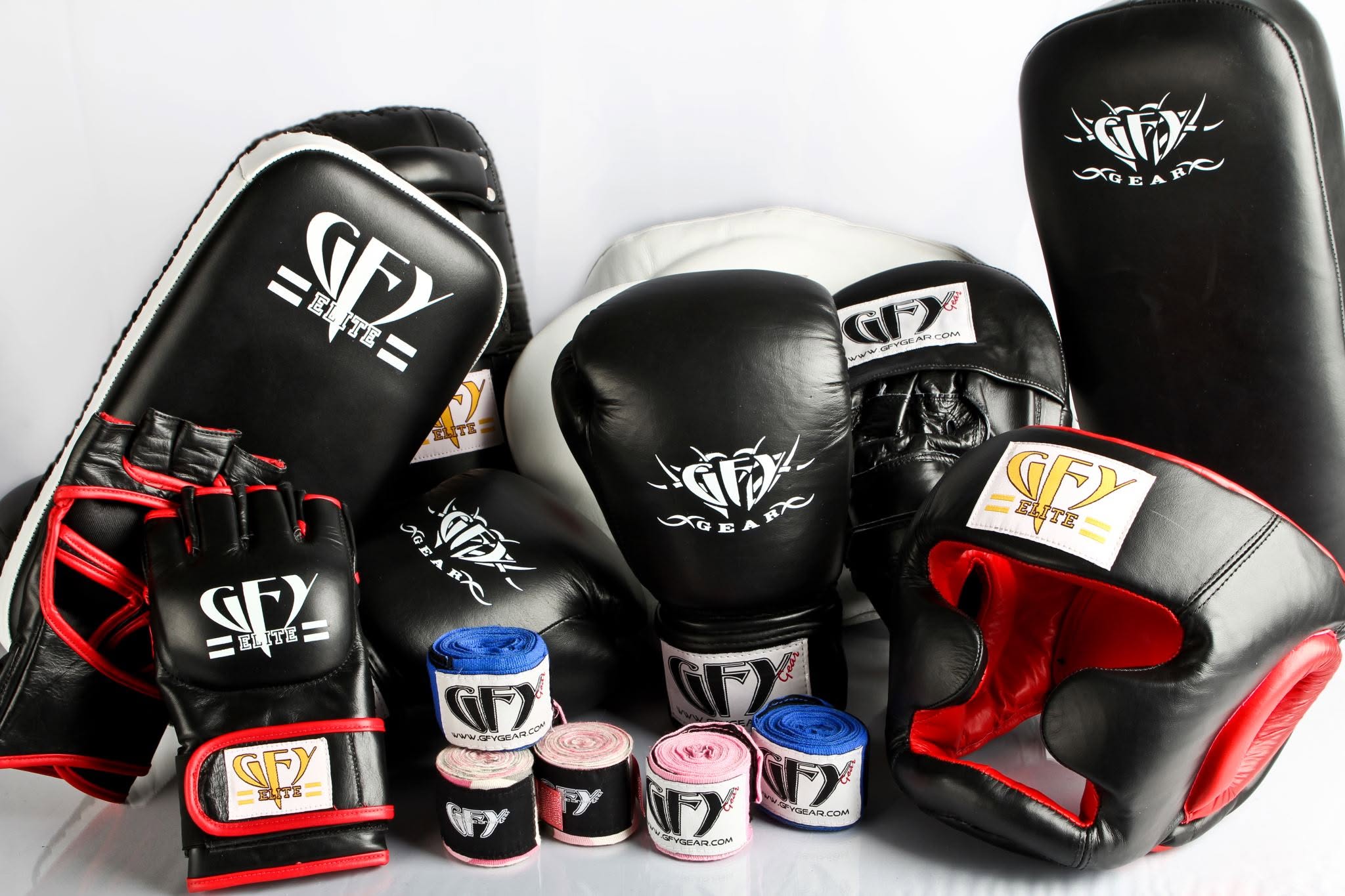
A real prototype, not a collageONE FRONT DOOR.
ONE FRONT DOOR.
A SAMPLE CATALOG.
A BETTER MOBILE PATH.
Built with supplied GFY product and fight-world photography. The mockup has live navigation, a filterable catalog, simulated cart feedback, an iPhone-style mobile view, and a return link to this assessment on every page.
Open the working concept Jump straight to the sample catalog →Directional storefront prototype only. Product pricing, inventory, checkout, current endorsements, and fulfillment claims are deliberately simulated; final work should use verified details and rights-cleared assets.
GFY has the catalog and credibility. The current site gives buyers no clear path to either.
01 Executive read
The observed gaps are in distribution, not catalog depth.
GFY already presents the ingredients a new brand normally needs years to earn: a broad fight-gear catalog, a self-reported 2008 founding story, a wholesale proposition for gyms and promoters, historical athlete affiliation, and a public community footprint. Today, none of that is organized into a confident reason to buy, inquire, or come back.
Keep
Real commercial raw material
All 123 sitemap URLs returned HTTP 200 in the audit. Canonical and Open Graph tags are present, product descriptions exist, a Google Analytics tag is installed, and the catalog is substantially deeper than the homepage suggests.
Fix
Trust and discovery are leaking
The navigation exposes only Home, Contact, Terms, and Shop. Athlete proof, sport categories, bulk/wholesale value, reviews, shipping reassurance, and even the brand’s social community are absent from the primary conversion path.
02 Crawl evidence
The crawl is healthy.
The search architecture is not.
These are live, reproducible observations from the public sitemap and page source, not estimates of traffic or revenue.
Sitemap URLs returned HTTP 200.
Pages returned canonical links and Open Graph tags.
Raw responses had no <h1> on 120 sitemap pages.
Raw responses had no <h2> structure.
No JSON-LD structured data was detected in the raw-source crawl.
Pages exposed fewer than 100 words of initial source text.
Meta descriptions sat outside a practical 50–160 character range.
Titles sat outside a practical 30–60 character range.
Current stack, publicly detected: GoDaddy Website Builder 8.0 with GoDaddy Online Store / OLS. The source exposes the OLS cart and product routes, a managedStandardCommerce plan signal, and /shop/ols/products/... URLs. This public check does not reveal the logged-in payment, order, inventory, shipping, or tax configuration.
Why this matters: Google can process JavaScript, but giving crawlers thin initial product/category markup, no heading hierarchy, and no detected JSON-LD is a weak foundation for competing against specialist commerce sites. This is an SEO system problem, not a request to stuff “meta keywords” into the current pages.
03 Technical experience
Mobile is carrying
the heavier punch.
Local Lighthouse lab tests point to a slow initial mobile experience. These are controlled lab results, not field Core Web Vitals, but the problem is material enough to prioritize.
Performance score
Performance score
- Mobile LCP
- 5.0s main visual arrives late
- Mobile blocking
- 1,190ms interaction delay risk
- Mobile interactive
- 15.4s long wait before reliably usable
- Unused JavaScript
- 195KB estimated removable payload
The same audit found 98 accessibility, 96 best-practice, and 100 SEO on the homepage mobile Lighthouse run. Lighthouse also warned that slow loading may have left the runs incomplete; confirm these lab signals with repeat runs and field data before setting a performance target. The homepage score does not override the product/catalog source gaps above.
04 Conversion journey
The current path makes visitors do too much work.
Land
Hero says “What Does It Mean To You?” A brand question, not a buyer promise.
Missing: sport/use-case routeDiscover
Top navigation routes everyone into one broad Shop destination.
Missing: gloves / MMA / Muay Thai / gym pathsBelieve
Direct products contain specs and price, but no visible proof stack around them.
Missing: reviews, media, returns, fit helpBuy / inquire
Retail and wholesale buyers need distinctly designed calls to action.
Build: Shop now + Get gym pricing
P0 issue to reproduce
In a logged-out isolated audit browser,
In a logged-out isolated audit browser, /shop showed page chrome but no visible merchandise.
Direct product URLs did expose product copy and purchase controls. Treat the Shop route as a launch-blocking QA item: if ordinary-visitor testing reproduces this, do not scale social or paid traffic until browsing works.
“Fight gear built for daily training. Trusted by fighters and gyms since 2008.”
Gym tiers, minimums, custom-order path, team pricing, fast quote form, and credible proof.
Use case, materials, sizing, athlete/gym proof, media, review module, and shipping/returns.
05 Athlete & community proof
The athlete proof is real.
It is just buried in legacy channels.
Public social profiles show a genuine history in the Bay Area fight community, sponsorship content, and a community that is materially larger than the Instagram accounts alone suggest. The strategic mistake would be treating this as nostalgia instead of packaging it as present-day authority.
| Evidence found | What it proves | What the new site should do with it |
|---|---|---|
| Facebook page labels the brand a Bay Area sporting-goods business and links to gfygear.com. | A public community and local brand context already exist. | Link social profiles from the site; add “Bay Area fight community” only where current and supportable. |
| Historical @gfygear content names sponsored athlete Cung Le and shows product use. | There is verifiable athlete association in the brand archive. | Secure current permission and create a dated athlete-history / legacy page. Never imply a current endorsement without it. |
| @gfy_gear bio identifies GFY as a manufacturer/supplier across MMA, boxing, Muay Thai, kickboxing, and Jiu Jitsu. | The positioning is broader and clearer on social than on the web hero. | Turn that category clarity into the homepage information architecture. |
Priority: build one current athlete or gym case study before building a large “ambassador” program. A named person, training context, product used, short quote, and rights-cleared photos will do more than 50 old social posts.
06 Search & content opportunity
Build pages for buyer intent.
Not a generic keyword list.
Private Google Search Console and Ahrefs access was not available for this review, so no traffic, ranking, or volume figure is invented. These are the high-value page themes to validate and target once analytics access is granted.
Retail purchase intent
Targets: boxing gloves, MMA gloves, Muay Thai gloves, hand wraps, shin guards, Thai pads.
Build collection pages by sport, training purpose, size/weight, and skill level.Gym / wholesale intent
Targets: wholesale boxing equipment, gym fight gear, bulk boxing gloves, training-pad supplier.
Build a dedicated B2B page, not a generic contact form.Decision support
Targets: 12 oz vs 14 oz vs 16 oz gloves, how to choose Thai pads, beginner MMA gear.
Publish 4–6 useful guides that link directly to relevant products.Brand & proof
Targets: GFY Gear + sport/product terms, sponsored athlete archive, gym partner stories.
Give branded searchers a confident, current destination.
Category pattern check
Venum opens a glove collection with level- and use-case-based benefits. Hayabusa adds filters, glove-size/weight guidance, use-case copy, linked related categories, and educational articles. GFY already has products and categories; it needs the decision support and merchandising layer around them.
07 Recommended move
Start with a new front door.
Migrate the catalog behind it.
Establish the conversion platform
Build a Shopify store with a purpose-built theme, not an expensive headless build. Launch a homepage, sport-based collections, an athlete / proof hub, and a dedicated Gym & Wholesale page. Put the current checkout/catalog behind clearly labeled paths only during transition.
Highest impactMigrate the money pages deliberately
Move the top products first, then the full catalog. Create 301 redirects for the existing 95 product URLs and 23 category URLs, unique titles/descriptions, Product schema, collections, FAQs, and a repeatable product-page template.
High impactReactivate proof as an acquisition engine
Capture current athlete/gym content once per month, create one partnership or gym case study at a time, and distribute each piece to social, email, the proof hub, and the relevant collection/product page.
Compounding impactP0
Verify /shop rendering and checkout path. Do this before sending any additional traffic.
P1
Replace the homepage and wholesale entry point. These create the fastest commercial lift without waiting on the full migration.
P2
Rebuild catalog SEO and product persuasion. This creates durable organic and merchandising value.
Decision framework
Optimization is the wrong bet.
Do not spendTime stuffing keywords, adding cosmetic sections, or trying to make the current generic form behave like a B2B funnel.
Do spendTime on the proof assets, gym offer, top-selling products, clear category paths, migration redirects, and conversion tracking.
What to collect before kickoff
Optimization is the wrong bet.
Build the next version.
The existing GoDaddy site can still preserve URL equity while a new Shopify experience is built. The value is in GFY’s relationships, products, and authentic fight-world credibility, not in the current technology or layout. A focused rebuild is cleaner, more measurable, and more likely to make the owner feel the upside immediately.
08 First request to the owner
Get enough evidence to build. Do not wait for perfect inputs.
Top 20 SKUs
Sales, margin, inventory confidence, and the products he would proudly put in a first-time buyer’s hands.
Five proof assets
Current athlete/gym names, clear permission to use them, 10 usable photos or clips, and one short quote for each.
The gym offer
Minimums, discount tiers, customization options, fulfillment promise, and one “why buy from GFY” statement.
Measurement access
GA4, Google Search Console, Meta, and store data. A Google tag is visible on the site, but event quality and real conversion data are unverified.
That is enough to start a high-conviction first build. The rest of the catalog and content can follow the system.
Evidence notes
Sources & limits
Audit observations were gathered from publicly accessible pages and browser/lab checks on October 3, 2026. No checkout was submitted. No private analytics, sales data, Search Console, or paid SEO database data was accessed; traffic, revenue, keyword volume, and current endorsement status are intentionally not claimed.
- GFY Gear homepage: founding, wholesale, navigation, current hero, site source.
- GFY Gear online-store sitemap and website sitemap: URL and catalog counts.
- GFY Gear contact page: existing inquiry flow and visible form fields.
- GFY Gear on Facebook: public audience and business identity.
- @gfy_gear and @gfygear: public legacy social profile and sponsorship evidence.
- Local Lighthouse 12.8.2 lab audit of gfygear.com: mobile and desktop performance figures shown above; the slow-load warning means the lab run should be repeated and paired with field data.
- Statista online-shopping overview: cited in the working concept’s mobile section: smartphones accounted for nearly 80% of worldwide retail-site visits in 2025 and generated the majority of online orders.